Autoclave
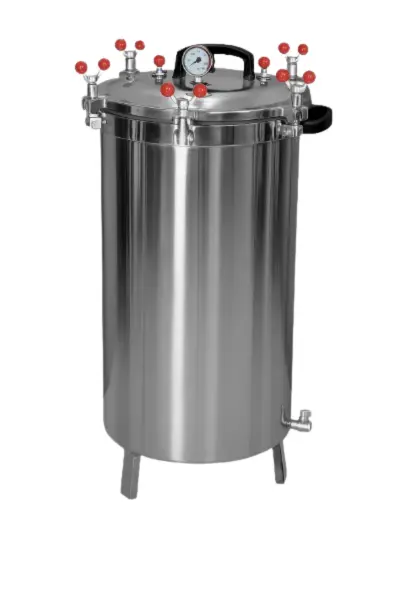
Autoclave High-pressure steam sterilization for safe decontamination. Laboratory and medical sterilization workflows. Ideal for Microbiology.
An autoclave is a pressurised steam sterilisation chamber that uses high-temperature saturated steam to kill bacteria, viruses, fungi, and spores on laboratory instruments, media, and materials. Steam penetrates fabrics, wrapped instruments, and porous materials more effectively than dry heat, making autoclaves the standard sterilisation method in microbiology, pharmaceutical, and healthcare settings. Autoclaves operate at temperatures around 121°C (at 15 psi / 1.2 kg/cm²) or 134°C (at 30 psi / 2.1 kg/cm²) for defined time periods. The combination of heat, moisture, and pressure denatures proteins and disrupts cellular structure, ensuring pathogen elimination. Laboratory autoclaves, pharmaceutical autoclaves, and double-door pass-through autoclaves from Indeecon are engineered for reliability, operator safety, and regulatory compliance.
Key Specifications
- High-pressure steam sterilization for safe decontamination
- Designed for laboratory and medical sterilization workflows
- Reliable heating and pressure control for consistent results
- Built-in safety protections for secure operation
- Custom capacities and configurations available
Key Features
- Dual Sterilisation Cycles: 121°C pre-vacuum (faster) and 134°C gravity (safer for porous loads)
- Integrated Steam Generation: High-efficiency electric steam generator with water reserve
- Precision Control: PLC-based HMI with programmable multi-stage cycles
- Safety Interlocks: Door safety mechanism preventing opening under pressure
- Pressure Regulation: Automatic control from 1.2 to 2.1 kg/cm² (15–30 psi)
- Vacuum System: High-performance water-ring vacuum pump for rapid chamber evacuation
- ASME Compliance: Pressure-locking doors with spring-loaded safety relief valves
- SS-316L Construction: Premium stainless steel for corrosion resistance in pharma/biotech
- Pass-Through Designs: Double-door configurations for BSL-3 labs and cross-contamination control
- Rapid Drain Cooling: Fast cycle completion with integrated cooling system
- Multi-Stage Sterilisation Cycles: Gravity displacement, pre-vacuum, and pulse-vacuum options ensure effective sterilisation for all load types — wrapped instruments, porous materials, hollow items, and pharmaceutical products.
- ASME-Certified Pressure Vessels: Double-walled jackets, locking door mechanisms, and spring-loaded safety relief valves guarantee operator safety and load protection under high-pressure steam.
- Pass-Through Double-Door Design: Seamless BSL-3 laboratory integration with cross-contamination seals, independent chamber vacuums, and automatic interlocks for biotech manufacturing and research compliance.
Compliance Standards
- EN 13060 — Small steam sterilisers for healthcare facilities
- EN 285 — Sterilisers for medical devices – Large steam sterilisers
- ISO 11135 — Validation and routine control of sterilisation by ethylene oxide
- ASME Boiler & Pressure Vessel Code (Section VIII, Div. 1) — USA
- IS 7523 — Indian Standard for pressure cookers and sterilisers
- cGMP/GMP compliance — Pharmaceutical manufacturing
- FDA 21 CFR Part 11 — Electronic records and electronic signatures
- ISO 14937 — Guidance on selection of sterilisation methods
- ISO 9001 — Quality management systems
Applications
- Microbiology Laboratories: Culture media, petri dishes, glassware, and instruments
- Pharmaceutical Manufacturing: Product sterilisation, equipment validation, GMP compliance
- Hospitals & Clinics: Surgical instruments, wound care supplies, dental equipment
- Biotech & Research: Cell culture media, laboratory glassware, contaminated waste
- Food & Beverage: Equipment sterilisation, packaging material processing
- Veterinary Clinics: Surgical instruments, laboratory media, animal care supplies
- Dental Practices: Handpiece sterilisation, tray instruments, surgical implements
- Environmental Labs: Water testing media, contaminated sample disposal
Safety Features
- Pressure safety valve and protection system
- Door safety interlock for secure operation
- Over-temperature protection and safe shutdown logic
Optional Features
- Automatic cycle control and programmable sterilization modes
- Drying cycle option (model dependent)
- Custom chamber sizes and basket configurations
- Validation support and documentation assistance
How It Works
- Load instruments or materials into the chamber using baskets/trays
- Close the door and select sterilization cycle parameters
- System generates saturated steam and builds pressure safely
- Sterilization hold time ensures effective decontamination
- Cycle completes with safe depressurization and door unlock logic
Frequently Asked Questions
What is an autoclave used for?
An autoclave is used for sterilization using high-pressure steam to eliminate bacteria, spores and contaminants from instruments and materials.
Is it suitable for laboratory and medical use?
Yes. Indeecon autoclaves are suitable for laboratories, healthcare facilities, research environments and industrial sterilization workflows.
What safety systems are included?
Autoclaves include safety protections such as pressure relief valves, door interlocks and over-temperature safeguards for safe operation.
Can the autoclave be customised?
Yes. Indeecon can provide different capacities, basket configurations and control options based on your requirement.
Can you support validation documentation?
Yes. We can support validation workflows and documentation requirements depending on your quality system needs.
Do you provide service and AMC support?
Yes. Indeecon provides service support and optional AMC plans for long-term uptime and reliability.
Related Guides
Continue your evaluation with the most relevant master pages, comparison guides, and technical resources for this product family.
- Calibration Equipment Guide — Dry block calibrators and liquid baths — equipment families, temperature ranges, and selection factors.
- Temperature Calibration Guide — Traceability, uncertainty, and temperature calibration fundamentals.
- Calibration Selection Guide — Select equipment by range, stability, and application constraints.
- Industrial Calibration Process — How calibration fits into validation, auditability, and QA systems.