Blast Deep Freezer
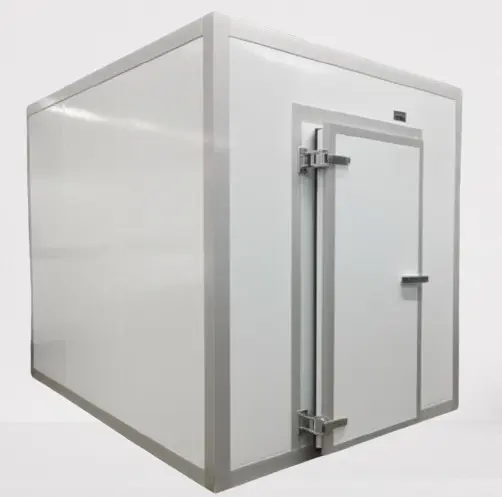
Blast Deep Freezer 70°C to -18°C. Cycle time: 90 to 240 minutes. Ideal for Biomedical research. ISO 5833 compliant. Get a quote.
Key Specifications
- Blast range: +70°C to -18°C / -35°C
- Cycle time: 90 to 240 minutes
- Capacity range: 100L to 1000L
- Designed for rapid cooling and freezing
- Industrial-grade refrigeration for reliable operation
Key Features
- Blast cooling technology reaches -40°C in <30 minutes from ambient temperature
- Dual-mode operation: rapid freeze mode for quick sample cryopreservation or standard mode for continuous storage
- Stainless steel interior resists biological sample contamination and chemical corrosion
- Forced-air circulation ensures uniform temperature distribution across sample racks
- Heavy-duty insulation maintains -40°C holdover for 8+ hours during power loss
- Adjustable shelving accommodates sample vials, culture plates, and specimen containers
- Digital temperature controller with high/low alarms and 7-day programmable cycles
- Large 150L working volume minimizes temperature fluctuations during frequent door access
- Vibration-dampened compressor and insulated housing keep ambient lab noise <65 dB
- UPS-compatible 230V single-phase power with <5 kW demand allows flexible lab placement
Compliance Standards
- ISO 5833 biological sample preservation standards
- ICH Q1F stability testing environment specifications
- IEC 61010-1 laboratory equipment electrical safety
Applications
- Biomedical Research: Rapid cryopreservation of tissue samples, cell cultures, and biological specimens
- Pharmaceutical Development: Temperature-dependent stability testing and sample archival for clinical trials
- Food Science and Quality: Quick-freeze capability for microbial culture preservation and ingredient testing
- Clinical Laboratory Services: Long-term storage of blood, serum, and plasma samples for diagnostic reference
- Vaccine Manufacturing: Cryogenic storage of viral seeds and vaccine formulations during production
- Academic Research: Multi-disciplinary sample freezing for agriculture, veterinary, and environmental studies
Safety Features
- Compressor protection and overload safety controls
- Temperature alarm protection (model dependent)
- Electrical safety protections and safe shutdown logic
Optional Features
- Custom tray/rack configuration options
- Data logging and temperature recording options
- Remote monitoring and alarm outputs
- Custom chamber size and insulation enhancements
How It Works
- Load products or samples into the freezer chamber
- Set target temperature and cycle parameters
- Blast airflow accelerates heat removal from the load
- Refrigeration system pulls down temperature rapidly
- Cycle completes and load reaches stable frozen condition
Datasheets & Resources
- Blast Temperature Range
- Cycle Time
- Capacity Range
Frequently Asked Questions
How fast is 'rapid' freezing? Can it compete with liquid nitrogen?
The blast freezer reaches -40°C in <30 minutes—not as fast as liquid nitrogen immersion (~5 min) but sufficient for most biobanking, pharmaceutical, and food applications. Advantage: no hazardous cryogenic handling, no boil-off loss, simpler maintenance. Liquid nitrogen is reserved for ultra-long-term (>20 year) archival.
What's the holdover time during a power failure?
With heavy insulation and sealed door, the -40°C temperature can be maintained for 8+ hours during power loss. For critical samples, integrate with a backup generator for extended outages.
Can I store vaccines and biologics long-term in this freezer?
Yes, subject to vaccine-specific stability data. Indeecon freezers hold ±1°C stability at -40°C, meeting WHO and ICH requirements for vaccine potency preservation. Consult your vaccine manufacturer's storage specifications—some may require -70°C ultra-low freezers for decade-long storage.
Is the blast cooling mode more expensive to operate?
Blast mode uses slightly more compressor power (~15% higher consumption during cool-down). Once stabilized at -40°C, energy consumption is equivalent to standard operation. Cost delta is ~$5–10/month for typical laboratory usage.
What's the typical defrost cycle?
Auto-defrost cycles every 12 hours for 20 minutes during low-demand periods (e.g., nights/weekends). Manual defrost is also available. Drain plug at the base collects meltwater—route to sink or container to prevent pooling.