15L SS Temp & Humidity Calibrator
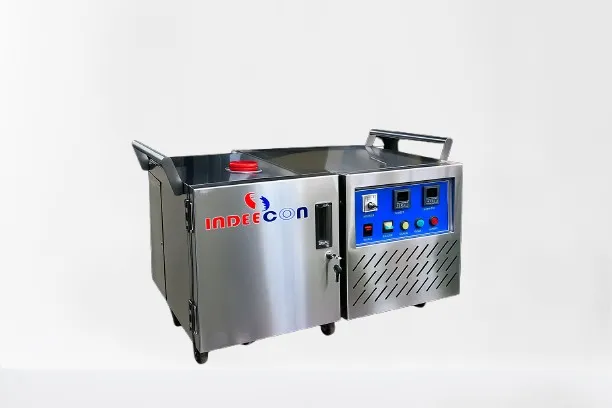
15L SS Temp & Humidity Calibrator 304 stainless steel interior resists corrosion from food acids, salt spray, and chemical solvents.
Key Specifications
- Temperature range: 10°C to 60°C
- Humidity range: 20% to 95% RH
- 316L Stainless Steel interior for pharma compliance
- Compact 15L capacity for benchtop validation
- Stable control for sensor mapping and qualification
Key Features
- 304 stainless steel interior resists corrosion from food acids, salt spray, and chemical solvents
- 15L chamber volume balances multi-sensor validation with compact benchtop footprint
- Temperature range: 10–50°C with ±0.5°C stability; Humidity range: 30–95% RH with ±3% uniformity
- Dual-dew-point control maintains realistic temperature-humidity relationships for sensors
- Removable stainless steel shelves enable autoclaving for sterile/aseptic validation workflows
- Easy-clean exterior with hygienic corner design minimizes contamination harboring
- PLC controller with IP67 sealed keypad resists moisture and cleaning spray exposure
- NABL-accredited certificates support GMP pharmaceutical and food safety audits
- Rapid stabilization: 30–45 minutes to setpoint from ambient
- Integrated drain with stainless steel fitting channels condensate safely away
Compliance Standards
- FDA food safety and sanitation regulations (21 CFR Part 11 documentation support)
- ISO 17025:2017 calibration procedures for food-industry equipment
- 3A Sanitary Standards stainless steel construction and cleanability requirements
- GMP pharmaceutical manufacturing environment specifications
Applications
- Food Manufacturing QA: Sensor validation for refrigerated storage, pasteurization lines, and retort sterilization monitoring
- Pharmaceutical Cleanroom Operations: Environmental sensor calibration in manufacturing suites where stainless steel equipment is standard
- Beverage Production: Temperature monitoring in fermentation, aging, and quality control processes requiring corrosion resistance
- Seafood and Meat Processing: Sensor validation in high-salt, high-moisture environments prone to equipment corrosion
- Pharmaceutical Research: Stability testing chambers requiring food-grade material compatibility and cleanability
- Laboratory Equipment Qualification: Validation of sensors from incubators, ovens, and environmental chambers in hygienic facilities
Safety Features
- High / Low temperature protection and alarms
- Low water level alarm for humidification system
- Electrical safety protections according to industrial standards
Optional Features
- NABL traceable calibration certificate (as per requirement)
- Data logging and traceability software
- Custom shelving and probe entry ports
- IQ/OQ/PQ documentation support
How It Works
- Sensors or loggers are placed inside the 15L chamber
- Required temperature and humidity setpoints are entered
- The system stabilises the environment for the validation period
- Readings are monitored and recorded for compliance reports
- The system maintains stable conditions throughout the test cycle
Datasheets & Resources
- Capacity
- Temperature Range
- Humidity Range
- Stability / Uniformity
- Interior Material
- Power Supply
Frequently Asked Questions
Why is stainless steel important for food and pharmaceutical labs?
Stainless steel (especially 304 grade) resists corrosion from food acids (citric, acetic), salt-laden air in seafood plants, and chemical sanitizers (bleach, quaternary ammonium). Painted or powder-coat finishes fail in these environments, leading to rust spots that harbor microbes. Stainless steel is mandated by FDA and food-safety standards for equipment in these industries.
Can I autoclave the shelves?
Yes. The stainless steel shelves are removable and autoclaving-compatible (121°C, 15 psi, 20 minutes). This enables sterile calibration workflows where sensors must be validated in sterilized chambers before deployment in sterile manufacturing.
How does this differ from standard painted calibration chambers?
Painted chambers develop rust and flaking under food/pharmaceutical chemical exposure. Stainless steel avoids this entirely, reducing maintenance and contamination risk. Stainless steel is ~20% more expensive but pays for itself in durability and regulatory compliance.
What's the typical calibration cycle for food safety QA?
A 3-point cycle (cold, room temp, warm) with multi-sensor validation of 4–6 temperature loggers takes ~2 hours. Most food facilities run this quarterly or semi-annually as part of cold-chain validation programs.
Can I use this for pharmaceutical stability testing?
Yes. Stability testing per ICH Q1F requires controlled environments (25°C/60% RH, 30°C/75% RH, 40°C/75% RH). The 15L stainless steel chamber meets these specifications with excellent chemical resistance.
Related Guides
Continue your evaluation with the most relevant master pages, comparison guides, and technical resources for this product family.
- Calibration Equipment Guide — Dry block calibrators and liquid baths — equipment families, temperature ranges, and selection factors.
- Temperature Calibration Guide — Traceability, uncertainty, and temperature calibration fundamentals.
- Calibration Selection Guide — Select equipment by range, stability, and application constraints.
- Portable vs Lab Calibration — When field calibration wins and when bench setups make more sense.