Digital Tachometer RPM Calibrator
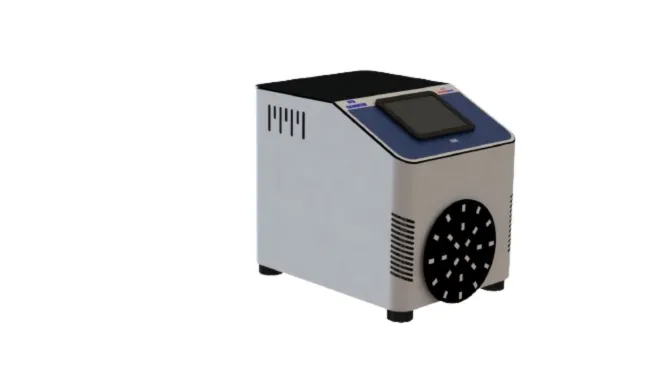
Digital Tachometer RPM Calibrator High precision RPM measurement. Contact and non-contact modes. Ideal for Automotive. Get a quote.
Key Specifications
- High precision RPM measurement
- Contact and non-contact modes
- LCD display with data hold
- Wide measurement range
- Compact and ergonomic design
Key Features
- Wide RPM range: 1–20,000 RPM with ±0.1% measurement accuracy
- Multi-sensor interface: magnetic pickup, optical tachometer, and contact methods
- Digital display with data logging and averaging to reduce measurement noise
- Portable handheld design enables field calibration without equipment transport
- Non-contact optical sensor option eliminates need to access rotating shafts
- IP54 sealed housing withstands workshop dust and moisture
- NABL-accredited calibration support for manufacturing QA documentation
- Auto-hold feature freezes readings for documentation and serial recording
- USB connectivity enables direct data export to Excel or SPC software
- Battery-powered operation (alkaline or rechargeable) for 20+ hours continuous use
Applications
- Automotive Manufacturing: Validation of engine tachometers and speedometer calibration in OEM assembly lines
- Motor and Drive Testing: Precision RPM measurement for electric motor commissioning and performance validation
- Conveyor System Maintenance: Field verification of conveyor belt speeds to ensure process compliance
- Pump and Compressor Verification: Rotational speed validation for process control and efficiency testing
- Equipment Service and Repair: Technician-level RPM checks during maintenance cycles to confirm proper operation
- Industrial Compliance Audits: Documentation of rotating equipment speeds for safety and efficiency audits
Safety Features
- Low battery indicator
- Laser safety certification
Optional Features
- RPM calibration certificate
- Protective carry case
- Replacement reflective tape
How It Works
- Apply reflective tape to the rotating shaft
- Aim laser at the reflective surface
- Read RPM directly from the display
- Store and compare values for verification
Datasheets & Resources
- Measurement Range
Frequently Asked Questions
Do I need different probes for different types of tachometers?
Yes, typically. Magnetic pickup tachometers require ferrous teeth or magnets on the rotating shaft. Optical tachometers need reflective tape or clear visual line of sight. Contact probes work on any surface but require direct shaft access. Indeecon supplies adapters for all three—consult your equipment specs to identify which applies.
How accurate is ±0.1% in practical terms?
At 10,000 RPM, ±0.1% means ±10 RPM deviation—imperceptible in most applications. For critical processes (e.g., motor testing, aerospace), this accuracy ensures repeatability and compliance with ISO standards.
Can I use this on moving machinery without stopping?
Yes, the optical and magnetic methods allow non-stop measurement. Contact probes require brief shaft contact, but even then, touching a rotating shaft is hazardous—always use a stroboscope or non-contact method for safety-critical equipment.
Is NABL calibration necessary for my manufacturing line?
NABL certification is required if your process is part of an ISO 17025–accredited QA system or if your OEM customer specifies it in the purchase order. For in-house performance validation, internal standards may suffice. Contact Indeecon to determine your requirements.
How does the data logging feature help?
Data logging captures 100+ RPM readings over 10–60 seconds and averages them—eliminating noise from mechanical irregularities. This averaged value is reported to your QA system, reducing false-alarm variability in SPC (Statistical Process Control) charts.
Related Guides
Continue your evaluation with the most relevant master pages, comparison guides, and technical resources for this product family.
- Calibration Equipment Guide — Dry block calibrators and liquid baths — equipment families, temperature ranges, and selection factors.
- Temperature Calibration Guide — Traceability, uncertainty, and temperature calibration fundamentals.
- Calibration Selection Guide — Select equipment by range, stability, and application constraints.
- Industrial Calibration Process — How calibration fits into validation, auditability, and QA systems.