Low Temperature Bath
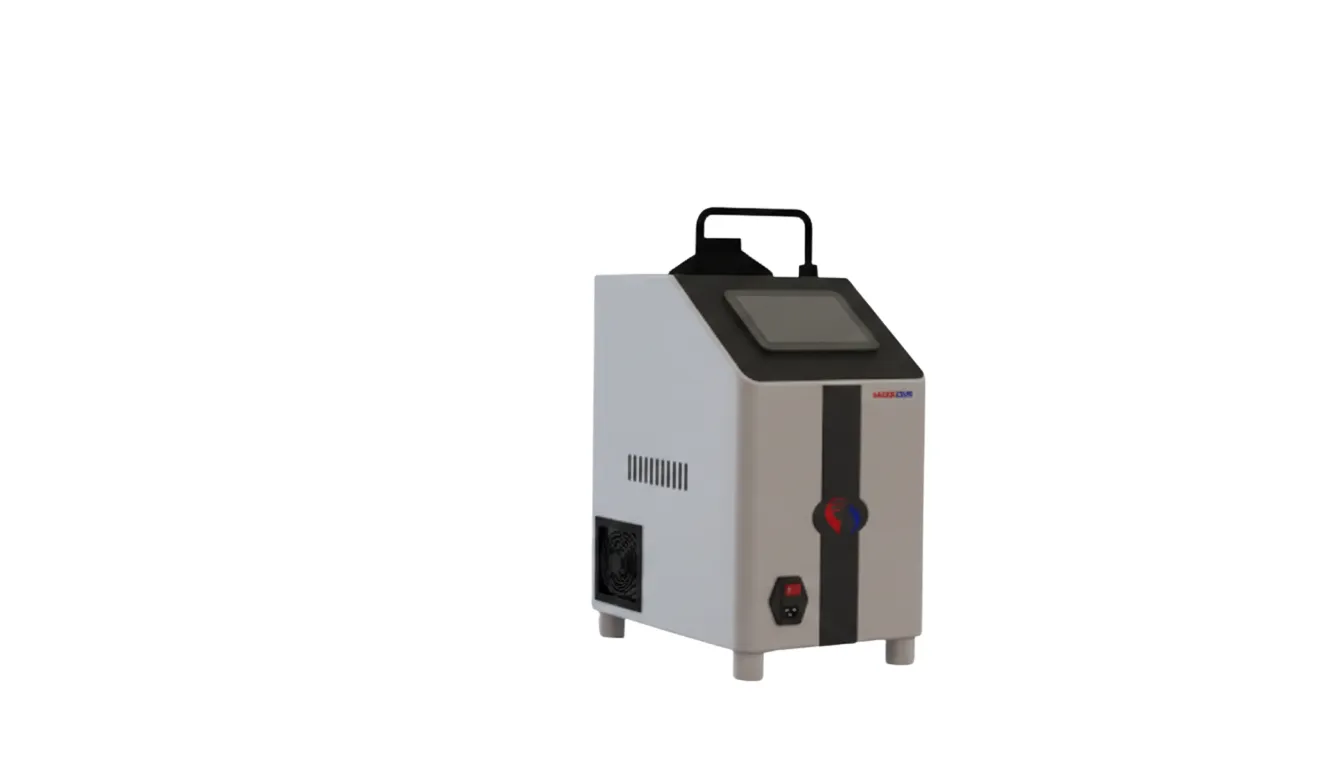
Low Temperature Bath Ambient to -100°C. High stability and uniformity for precision calibration. Ideal for Temperature sensor. ISO/IEC 17025 compliant.
Liquid calibration baths are precision thermal vessels filled with temperature-stable liquids (ethanol, methanol, oil, water-glycol blends) used to calibrate and verify temperature sensors. The liquid surrounding sensors provides uniform thermal contact—unlike dry blocks that rely on point contact. This makes liquid baths the primary standard for sensor calibration. Indeecon offers four core models covering -100°C to +270°C with stability down to ±0.005°C, meeting ISO/IEC 17025 and NABL calibration laboratory requirements.
Key Specifications
- Temperature range: Ambient to -100°C (model dependent)
- High stability and uniformity for precision calibration
- Suitable for RTDs, thermocouples and temperature probes
- Digital PID control for accurate temperature management
- Reliable cooling performance for laboratory and industrial use
Key Features
- Four Model Range: L-CRIO-100 (-100°C to +40°C, ±0.005°C) | L-ULT-80 (-80°C to +60°C, ±0.010°C) | L-REF-30 (-30°C to +100°C, ±0.015°C) | L-OIL-270 (ambient to +270°C, ±0.020°C)
- Dual-Stage Cascade Refrigeration: Achieves -100°C deep cryogenic temperatures with exceptional stability — enables calibration of aerospace and research cryogenic sensors
- High-Torque Variable-Speed Stirrer: Vertical laminar flow prevents mixing turbulence and thermal gradients — achieves ±0.010–0.030°C uniformity across the calibration volume
- 10–15 Simultaneous Sensor Capacity: Calibrate RTDs, thermocouples, NTC thermistors, and data loggers in one run — vs. 2–3 sensors typical in dry-block calibrators
- Vacuum-Insulated Observation Port: Frost-free viewing windows in cryogenic models allow real-time sensor monitoring without condensation during overnight unattended calibration runs
- Intelligent Level Control: Automatic monitoring prevents oil expansion overflows, dry-run pump damage, and unplanned shutdown during thermal cycling
- NABL Calibration Ready: ISO/IEC 17025 uncertainty budget pre-certified; RS-232 / Modbus TCP output for LIMS integration
- Primary Standard Recognition: Full sensor immersion in temperature-stable liquid provides superior calibration accuracy vs. point-contact dry blocks
Compliance Standards
- ISO/IEC 17025 — NABL calibration laboratory readiness; uncertainty budget pre-certified
- ITS-90 — International Temperature Scale of 1990 traceability
- NIST Traceability — Through international calibration networks
- ISO 5725 — Measurement Repeatability and Reproducibility
- IEC 61010-1 — Laboratory Equipment Safety
Applications
- Temperature Sensor Calibration: RTDs, thermocouples (all types), NTC thermistors, PT100/PT1000 — simultaneous multi-sensor calibration in a single run
- Industrial Thermometer Verification: Process thermometers, digital indicators, and temperature transmitters for QMS compliance
- Data Logger & Temperature Indicator Calibration: Traceable calibration for ISO 9001 and IATF 16949 measurement system requirements
- Pharmaceutical & Food Safety Testing: Temperature-controlled environment validation; cold chain instrument calibration
- Aerospace & Defence Sensor Certification: Cryogenic sensor calibration for avionics and ground support equipment
- ISO/IEC 17025 Calibration Laboratories: Primary reference standard bath for NABL-accredited laboratory operations
Safety Features
- High / Low temperature protection and alarms
- Overload protection for cooling system components
- Electrical safety protections according to industrial standards
Optional Features
- Custom bath sizes and probe holder configurations
- Data logging and calibration reporting support
- External reference probe integration for high-accuracy requirements
- Alternative bath mediums based on temperature range
How It Works
- Select the required temperature setpoint on the controller
- The cooling system stabilises the bath at the target temperature
- Sensors/probes are placed into the bath for verification
- Readings are compared against reference standards for calibration
- The system maintains stability for the duration of the test/calibration
Datasheets & Resources
- Temperature Range
- Stability / Uniformity
- Stability / Uniformity
- Power Supply
Frequently Asked Questions
What's the difference between L-CRIO-100 and L-ULT-80?
L-CRIO-100 reaches -100°C with ±0.005°C stability for ultra-cryogenic applications. L-ULT-80 reaches -80°C with ±0.010°C stability. Choose based on your lowest required temperature.
Can I calibrate multiple sensor types simultaneously?
Yes. The liquid bath accommodates RTDs, thermocouples, NTC thermistors, and other sensors simultaneously. All immersed sensors stabilize to the same temperature.
How do I avoid oil degradation in the L-OIL-270 model?
Use premium synthetic silicone oils (food-grade or laboratory-grade). Indeecon recommends oil change every 2 years or 2000 hours, whichever comes first. We supply certified oils.
Can the baths be integrated with data logging systems?
Yes. All models feature digital temperature outputs (RS-232 / Modbus TCP available). Integration with LIMS and calibration software is straightforward.
Schedule a Calibration Bath Demonstration
See precision calibration in action—contact our calibration specialists
Related Guides
Continue your evaluation with the most relevant master pages, comparison guides, and technical resources for this product family.
- Calibration Equipment Guide — Dry block calibrators and liquid baths — equipment families, temperature ranges, and selection factors.
- Temperature Calibration Guide — Traceability, uncertainty, and temperature calibration fundamentals.
- Calibration Selection Guide — Select equipment by range, stability, and application constraints.
- Dry Block vs Liquid Bath — Compare portability, accuracy, immersion, and temperature coverage.